top of page


Maria Grujicic Studio
Montessori-inspired,
nature-based creative learning through art

Nightcliff Seabreeze Festival —
Stories from the Bushblock
Returning to Nightcliff
I have fond memories of visiting the Nightcliff foreshore as a child. Our favourite place was where the jetty is now. We would take a pot of casserole or takeaway and sit on top of my father’s Land Rover — yes, on top! — and eat our meal while looking out over the sea.
The jetty itself had not yet been built when I was a child. There were only cliffs, rocks and rockpools. I remember how exciting it was when the sea became rough and waves crashed against the cliffs, spraying us as we leapt from rock to rock. We were fearless.
As I grew older, I continued returning to the foreshore. As an adult, I visited almost every afternoon — rollerblading, walking, exploring the beach and simply spending time by the sea.
Now that I have a small family of my own, I can bring my daughter there and tell her stories about what it used to be like. To me, the foreshore has changed a lot.
One afternoon I sat under a tree at Kite Corner and laid out a picnic rug with some drawing materials. I began sketching the beautiful trees nearby and imagined what it might be like for children to sit beneath them and draw during the Nightcliff Seabreeze Festival.
Later, I discovered this would be the very place where the Community Village stalls would be set up.
I could already imagine families walking through the trees, children drawing on picnic rugs, stories being shared and the sea stretching quietly behind us. I couldn’t wait for the event.
I had already drawn a map of the Ludmilla bushblock and planned to use it to tell my story — a story of childhood, memory and the nearby bushland that inspired my picture book.
Childhood, Ludmilla, Sea and Memory
Ludmilla was just across the road from our home. When Dad was away and we did not have a car, we could simply walk over. That little bushland became part of everyday life.
Back then things felt different. We spent more time outdoors. We explored. We climbed. We imagined. We made adventures from very ordinary places.
And yes — we often didn’t wear shoes. Not even at school.
When I tell children that now, they look at me with complete disbelief.
But those memories taught me something important: children do not always need expensive things or planned activities. Sometimes a tree, a pathway and imagination are enough.
Urban Bushland
What fascinated me most about the Ludmilla bushblock was that it was not remote wilderness.
It was urban bushland.
It existed quietly between roads, houses and everyday life.
One of the places that inspired me deeply was along Fitzer Drive, where the paperbark trees stood and where I photographed the tiny paperbark flycatcher.
The book itself began during one of my daydreams — I do that a lot.
I realised there was a pattern connecting me as an adult and me as a child.
The times I entered the bushblock with a camera as an adult felt connected to the times I visited as a child. Then there were all the years in between.
Every visit held a story.
Every page became linked to a memory, an event or a feeling.
So each page in Mystery Plants & Trees tells a story.
What I love most is that the story has not ended.
The last time we visited, a dingo suddenly appeared from nowhere. We think perhaps it came from Kulaluk.
The bushblock keeps surprising us.
The story continues.
Preparing for the Festival
My friend and my daughter helped me set up the stall. We had a beautiful view of the sea.
It was my first time doing anything like this.
The focus was simple: create a relaxed place where children could draw Mystery Plants, Trees and Creatures, enjoy the atmosphere and later listen to stories.
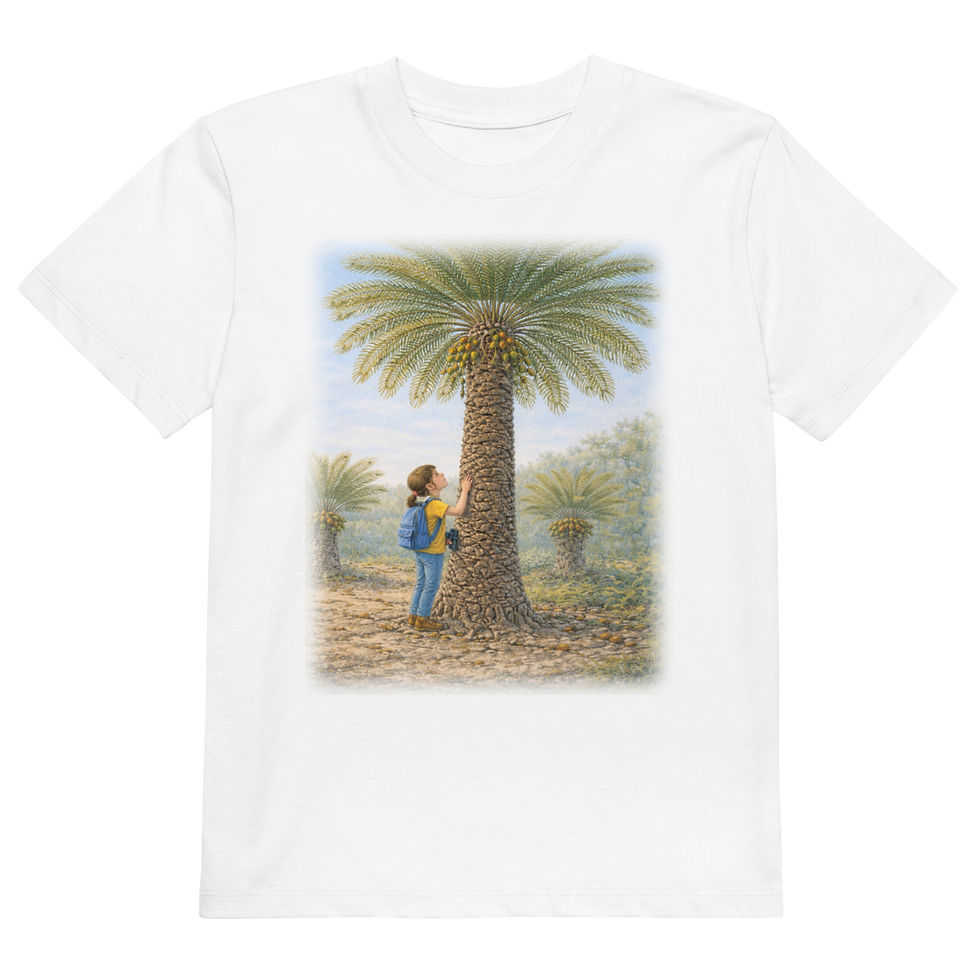
I wore my Mystery Plants & Trees shirt and realised that even the shirt itself had become part of the storytelling.
At the stall I shared my hand-drawn map of the Ludmilla bushblock and pointed out different places from the story.
I wondered whether I might inspire children to create maps of their own places and tell stories from their own worlds.
The picnic rug became one of my favourite parts.
There was something beautiful about children sitting beneath trees, drawing, listening and imagining.
After the Event
Even after dark there were children who still wanted to draw and hear stories.
That surprised me.
If children would like to continue creating Mystery Plants, Trees and Creatures, I will be collecting selected drawings and sharing them on my website as part of a growing collection.
Why?
Because children’s ideas deserve to be valued.
Because imagination matters.
And because stories grow stronger when shared.
What surprised me most was that adults found the stories fascinating too.
I realised then that life really was different back then — and so was the environment around us.
People thanked me for sharing simple stories and memories.
Some described them as feeling like an archive.
That made me realise that storytelling itself had become something important.
I decided I wanted to continue sharing these stories and eventually bring them into schools and future events.
I already completed one school visit and I will continue storytelling at future book signings and events.
The spoken word experience itself taught me something important.
After people heard the story behind the book, the book itself seemed to hold more meaning.
People connected with it differently.
There was a loud applause after I read the page about seeing the largest cycad I had ever seen in my life — an ancient cycad hidden within the bushblock.
And you know what?
I never saw it again.
But it lives on in my memory.
And perhaps that is what stories do.
They help us hold onto moments.
Creating the book did not end the story.
The story keeps going.
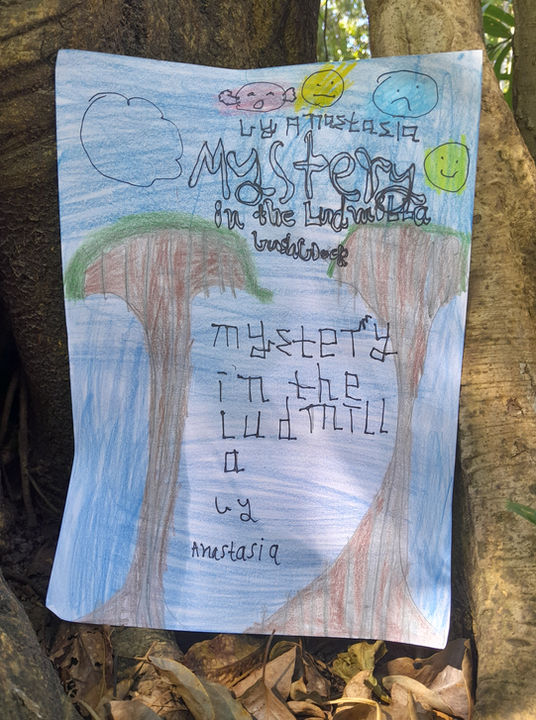

🌿 Mystery Plants & Trees — Stories from the Bushblock Collection
Wearable art, postcards and studio pieces inspired by memory, place and the Ludmilla bushland.


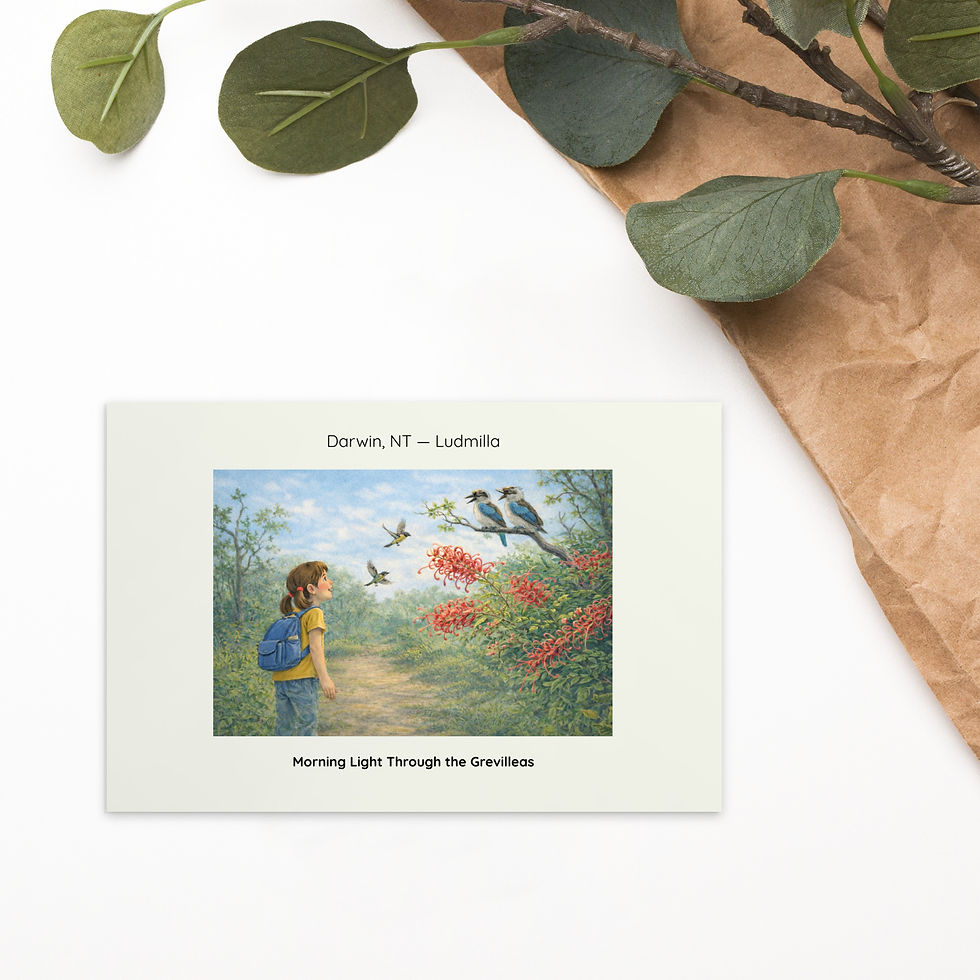


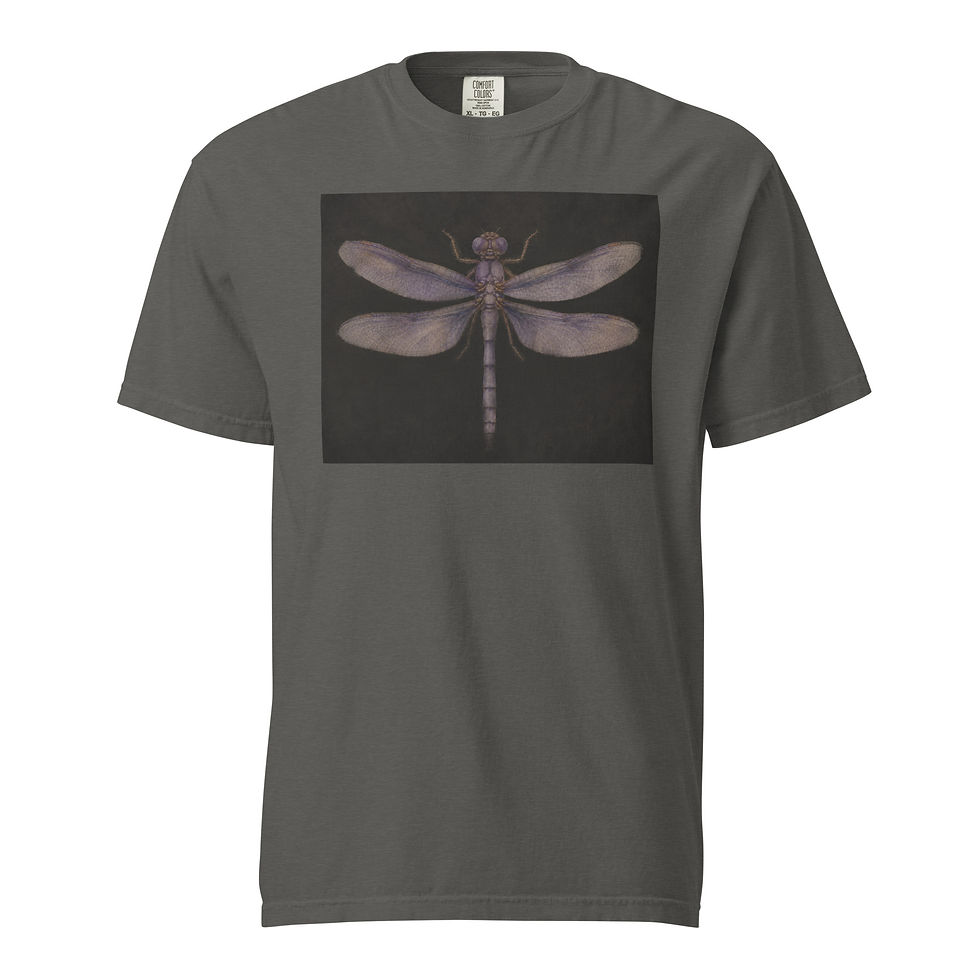




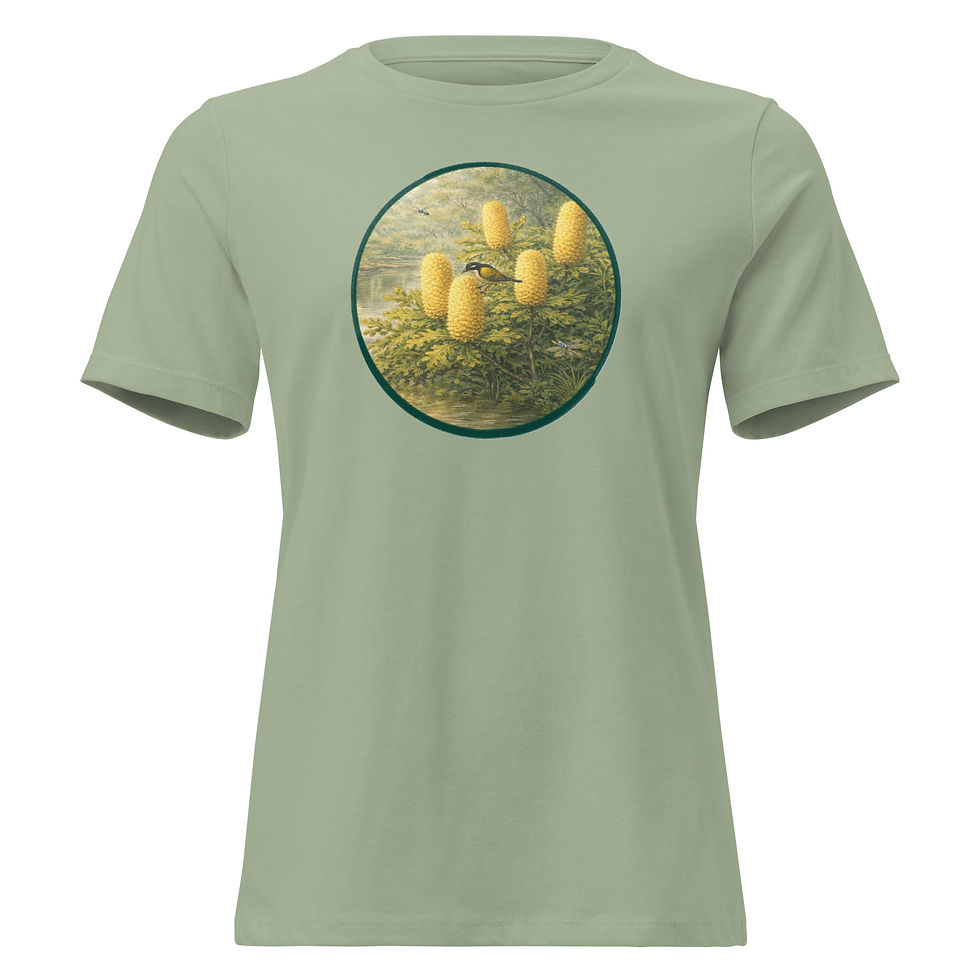
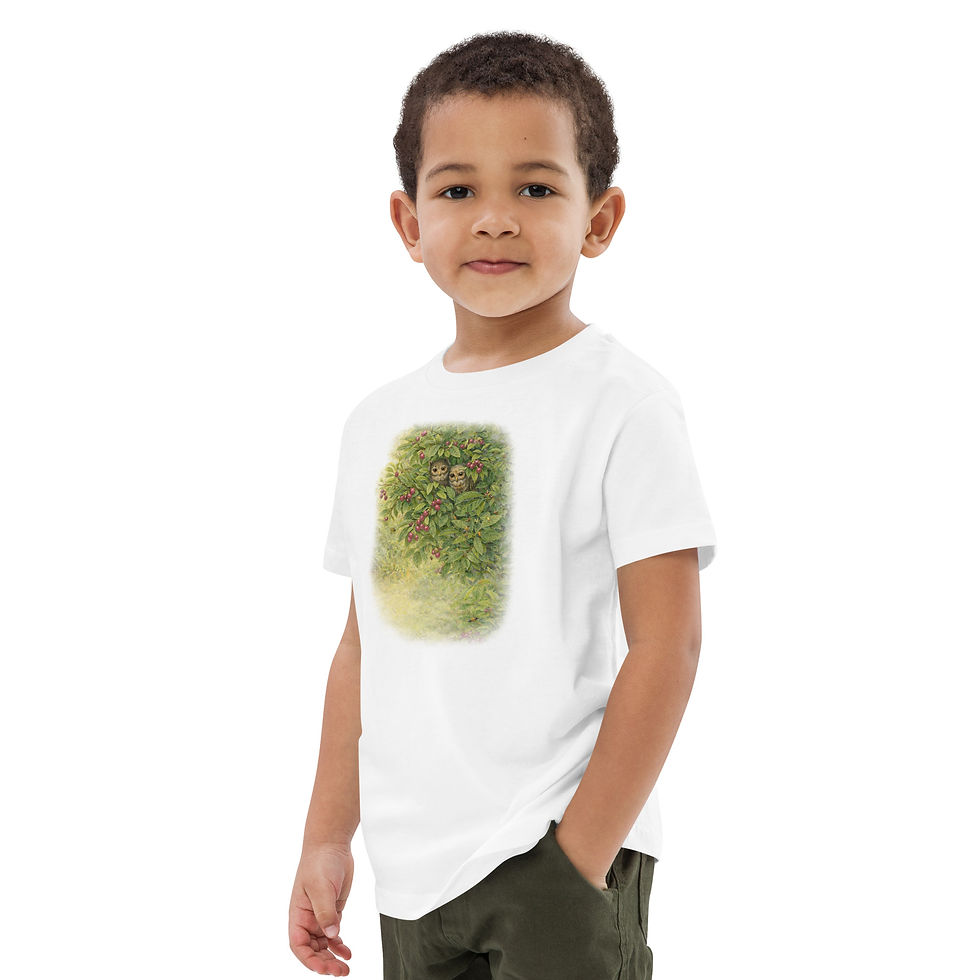


All studio pieces include Australian postage & handling.
bottom of page